PODCAST | Anthony Fauci: Science Helps Us... Prepare for Pandemics

Dr. Anthony S. Fauci, former Director of the National Institute of Allergy and Infectious Diseases and President Joe Biden’s former Chief Medical Advisor sat down with host and AAAS STPF fellow Dr. Adejare (Jay) Atanda to discuss pandemic preparedness and response. Dr. Fauci also discusses the duality of his former role as a public facing physician-scientist, lessons from his service responding to COVID-19, and how scientists can leverage the power of the media for good. In the process, we learn about the risks from new and emerging technology… and how we can be better prepared for the next pandemic.
This is the first in a 4-part podcast series called "Science Helps Us" that showcases ways that science helps shape our modern world.
Guest
Anthony S. Fauci, MD, Physician-Scientist;
Former Director of the National Institute of Allergy and Infectious Diseases;
Former Chief Medical Advisor to President Joe Biden;
https://anthonyfaucimd.com/
Host & Producer
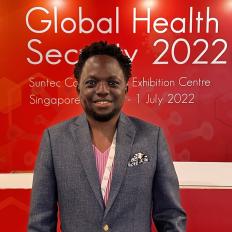
Adejare (Jay) Atanda, DMD, DrPH, MPH, Clinician-Scientist & Epidemiologist;
2022-23 Executive Branch Fellow at the Department of Homeland Security;
Twitter: @jr_tnd; https://drjay.xyz/
Executive Producer
Reshmina William, Ph.D., Civil Engineer;
2022-23 Executive Branch Fellow at the Department of Energy;
2021-22 Judicial Branch Fellow;
Twitter: @ReshminaWilliam
Image: Karolina Grabowska, Pexels
Disclaimer
This blog does not necessarily reflect the views of AAAS, its Council, Board of Directors, officers, or members. AAAS is not responsible for the accuracy of this material. AAAS has made this material available as a public service, but this does not constitute endorsement by the association.
Authors