PODCAST | The Science of Human Security: Social science & violent extremism

In a world that plagued by incidents of violent extremism and terror, we are often presented with messages or news stories that focus on the leaders of extremist organizations or the perpetrators of such attacks. This type of messaging can be a distraction from more fully addressing the root cause of violent extremism through the use of human sciences such as psychology, sociology and anthropology.
In the second installment of our series on violent extremism, Valka-Mir Human Security Managing Partner Dr. Aleksandra Nesic explains why she believes social science concepts and approaches are needed when attempting to understand and address the root causes of extremist and violent extremist ideologies. Dr. Nesic uses her experience growing up in the former Yugoslavia during the wars in Bosnia and Kosovo as a lens through which to examine these concepts.
PARTICIPANTS
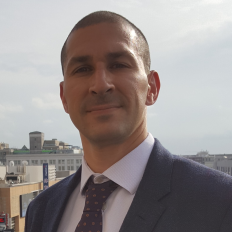
Host: Carlos Faraco, Ph.D. Neuroscience, 2016-2018 Executive Branch Fellow, National Institutes of Justice
Aleksandra Nesic, Ph.D. Conflict Analysis and Resolution, Managing Partner of Valka-Mir Human Security R&D, Senior Social Scientist, US Army, J.F.K. Special Warfare Education Group, Visiting Research Professor, Joint Special Operations University
EXECUTIVE PRODUCER
Carlos Faraco, Ph.D. Neuroscience, 2016-2018 Executive Branch Fellow, National Institutes of Justice
Image: Patrick Christian
Disclaimer
This blog does not necessarily reflect the views of AAAS, its Council, Board of Directors, officers, or members. AAAS is not responsible for the accuracy of this material. AAAS has made this material available as a public service, but this does not constitute endorsement by the association.
Authors