Serving as an STPF Fellow in the Era of COVID-19

Introduction
The AAAS Science & Technology Policy Fellowship (STPF) program allows scientists and engineers from all over the nation to come to Washington DC to both learn about, and make an impact on, policy in the federal government. Science policy is central to the mission of the nation, and the emergence of the COVID-19 global pandemic underscores the need for impactful policy that is firmly grounded in science. Here in our nation’s capital, STPF fellows find themselves in the front seat during this unprecedented time in history.
Fellows are privileged with respect to others within the US workforce, such as those who depend on tips or hourly wages: we are still able to conduct most of our work outside of our offices. This privilege enables us to continue to learn and help impact policy, albeit in a new, mostly teleworking capacity. With that comes the responsibility to ask questions about how this new reality will affect future cohorts of STPF fellows. How will COVID-19 change the future of science policy? How will following CDC recommendations like social distancing alter the impact of fellows' work? How will new fellows begin to virtually build the relationships that are so valued from the STPF program?
Networking and informational interviews are central to the professional development of many workers including fellows. Many of the informal and formal relationships within the STPF 2019-20 class were already established before the COVID-19 pandemic, making virtual connections a lot easier to maintain during times of social distancing or quarantine. If social distancing carries over into the 2020-21 class, whose placement week has already been affected, new fellows may find it difficult to network when opportunities for in-person mixing and chance encounters are limited or non-existent. Many of these interactions happen at after-work and professional development events or orientation. In this context, we hope to provide some helpful advice for future fellows working in the era of COVID-19.
Using Technology For Social Distancing
Technology will play a central role in providing the framework for professional interactions moving forward, especially if social distancing is adopted as an ongoing policy for conducting business. Indeed, even after social distancing is no longer policy, teleworking will be changed forever, and may become the primary mode of working and communicating. There are a wide variety of apps and software to help you build and maintain personal connections while keeping physical distance.
When it’s just a virtual coffee meeting or informational interview, you may use the good old-fashioned phone. Whether you are using Facetime or another video calling app, adding a video takes minimal effort while providing the very valuable “face” connection to the meeting. While phone calls will get the job done, video conference software can be helpful to put faces to names and make the interaction feel more similar to the in-person connections. You may end up using Skype, Zoom, WebEx or your contact’s favorite app of the day. WebEx is standard in a lot of government agencies and can be used to host teleconferences, video conferences, share screens, host presentations and more. For apps like WebEx, you don’t even have to have the software yourself to use them, as opening an invite link will launch a web-based applet. But if you do get the software yourself, you have a lot more options to host video conferencing and even presentations.
SPTF fellows recently had a very successful Zoom happy hour, where more than 50 fellows connected with one another virtually. By using randomly distributed breakout rooms, we got to see old friends and still make new ones -- six months into our fellowship year. To learn more about all the ways you can use Zoom, we recommend this guide written by Dr. Jennifer Polk (@FromPhDtoLife on twitter). Additionally, LinkedIn has posted free online courses to help you learn how to effectively use different teleconference tools.
Old tools still apply as well: LinkedIn and Twitter are excellent places to start building a list of individuals, including current and alumni fellows for networking. Considering the policy and science issues surrounding this pandemic, many fellows are publicly voicing their willingness to speak to incoming fellows as well as prospective applicants. Even though it may happen virtually for a while, fellows still want to pass down the advice that was so helpful to us in making our decisions.
Current fellows are using these technologies in ways that reach beyond informational interviewing. Dr. Valerie Virta has used Microsoft Teams to create an National Institutes of Health (NIH) group for current fellows. She plans to “use it even more through our teleworking period and into job searches.” Dr. Vincent Tedjasaputra, a fellow at the National Science Foundation (NSF), says that the group chats that these programs allow help in times when information needs to flow quickly: “I think the group chat is useful to find a subject matter expert right away and have a quick 5-10 minute chat that helps us at work with writing briefs and other work outside our own scientific expertise.”
To that end, many fellows also use the chat app WhatsApp to keep up with COVID-19 related news and information, and to quickly discuss relevant data to inform policy decisions. Recently, Dr. Stephanie Davis used the app to organize a successful virtual networking event in a matter of a few days. Dr. Chelsea Marcho says, “I was able to virtually attend my friend's Ph.D. defense this a.m. via Zoom. It was awesome because so many more people were able to attend. The Ph.D. program posted the link on Twitter and there were actually some members of the general public (school teachers and others) there. There might be a place for these styles of meetings to help bring people into the conversation.”
Currently, STPF Affinity Groups are being moved to virtual meeting spaces. This may help increase Affinity Group attendance and outreach by fellows that live a long distance from AAAS headquarters or who do not have time to get to an in-person meeting. These types of events take weeks or months of planning, and virtual tools have compressed that timeline and can be used strategically by incoming cohorts to plan and develop networking strategies that employ speed as well as quality of interaction.
Informational Interviewing During the COVID-19 Pandemic
The nature of informational interviews may involve more policy considerations or be performed in a way that represents more distributed networks. For instance, instead of traditional informational interviews in which you are trying to understand a job environment, these interviews can be used to brainstorm with a diverse group of people on how to leverage virtual and technological tools to continue policy work. Informational interviews can branch into discussions about how agencies can build and strengthen their public outreach and social media presence. Communications at the US Agency for International Development (USAID) and the State Department rely heavily on in-person programming, so discussions may address how long-term relationships can be maintained and allow programs to continue virtually.
When communications within virtual platforms are more dynamic and distributed, conversations and networking can become richer and multiplexed, leading to deeper professional relationships.
Although virtual technologies seem to be the foundation for moving forward in a post-COVID-19 world, they do have some drawbacks to traditional in-person meetings or phone conversations. Conversations using these technologies can be downright awkward. Fidelity of the internet connection, or simple audio lag can throw off the traditional timing and flow of an in-person conversation. Although camera technology is good for some, connections may be made on any number of devices with varying types of cameras. This variability in resolution can make interpreting facial expressions difficult and have the potential to cause potential misinterpretations as conversations commence. Practice using these platforms and cognizance of these difficulties will increase the impact of communicating this way. As relationships are built and deepened in the virtual space, navigating these technical road bumps will become easier.
As virtual connections are made, even more empathetic listening will be needed to be employed than usual, accounting for conversations that may be time compressed or with others who are experiencing a greater amount of stress due to COVID-19 changing workloads or priorities. Others will likely be having the same challenges as STPF fellows are having in this new technological space and may be uncomfortable with technology or the telework environment. Dr. Ilana Goldberg, who has previous experience working with an international team using Skype for most meetings, said “that coaching on how to present oneself virtually to really connect with colleagues over virtual platforms was vital to success in that position."
Helping each other out with coaching on virtual platforms in the same way in which individuals are coached for in person job interviews may be a way to increase the impact of these new ways of communicating. Just learning a new rhythm to conversations is a helpful exercise in improving one's skills when speaking under pressure and in unfamiliar surroundings and may help improve communications skills.
Teleworking may become a new normal, so keeping organized and maintaining momentum in this environment may need extra attention. It is important to make notes on accomplishments and projects, even if COVID-19 disrupts and cancels them, and add them to an achievement notebook to celebrate early wins and as ways to describe the impact of your work when life gets back to normal.
Within the networking sphere, capitalize on the fellows’ network even more. Find the first-year fellows who are excited to start building relationships early, virtually. Reach out to second year fellows and alums who understand the value of the AAAS network to the fellowship experience and talk with them to gain perspective on how to best leverage virtual technology to build out professional networks.
Take time to show your leadership skills via empathy for others: check on the well-being of your network and volunteer time to help those struggling with illness or loneliness. Knowing that the virtual space is going to take on even more significance in the months and years to come, spend some professional development time updating your online profile (LinkedIn, Twitter, etc.) and connecting with people in those spaces, outside of traditional fellows’ networks.
Additionally, attend virtual workshops or symposia and follow up via email with speakers or others of interest to expand your informational interview network. Dr. Brynn Hollingsworth has set up numerous informational interviews using Linkedin and twitter, including two that were switched from in-person to virtual in the first week of mandatory telework at the NIH.
Take advantage of virtual learning and online certificates to network and open your network with others outside of the fellowship sphere while building your resume/CV simultaneously. Most importantly in these unprecedented times, take time for exercise and mental health programs offered online. These programs will help you navigate the fellowship and allow you to fill your empathy cup, as it will be needed by both your professional and personal networks. COVID-19 will change the way the world looks at public health policy and the way we interact in and outside of the workforce. Fellows are looked at as leaders and can help cultivate relationships where they can use those skills to help in this transition.
Conclusions
The central themes of our STPF fellowship are service and impact. To that end, we want to leave you with a few questions that extend beyond the mechanics of networking and teleworking in the post-COVID-19 era and venture into some policy. We plan on expanding on these topics and others from a policy perspective in a future series of posts on COVID-19. Here are a few questions as we look forward:
How will policy, its impact and the way we formulate policy change in a post-COVID-19 world?
- Will current policy changes that might occur out of the COVID-19 pandemic (increased distance and telework options) become fixtures in the workplace and social and professional networking?
- Will we see more economic stability for those in the gig and wage economy?
- Will there be new emphasis on early screening for potential pandemic-causing viruses?
- How can a “whole of government” system that is decentralized and de-siloed advance science?
- How can different government agencies better incorporate a “One Health” approach to improve health for everyone and everything?
This is just the tip of the iceberg. COVID-19 has changed the course of history. Our desire as fellows to serve and to make an impact using science by taking an “ask not” approach starts with helping each other navigate this new working landscape.
Acknowledgements
The idea for this post was generated via an online chat and we thank all the fellows who encouraged our ideas, including: Dr. Valerie Virta, Dr. Stephanie Davis, Dr. Christine Urbanowicz and Dr. Shilpy Dixit.
Image: Alissa Eckert Dan Higgins/CDC
Disclaimer
This blog does not necessarily reflect the views of AAAS, its Council, Board of Directors, officers, or members. AAAS is not responsible for the accuracy of this material. AAAS has made this material available as a public service, but this does not constitute endorsement by the association.
Authors
Michael Nestor
Jennifer Rowland
Chelsea Marcho
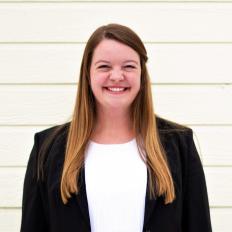
Allie Davis
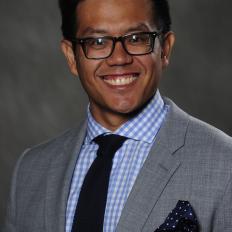
Vincent Tedjasaputra
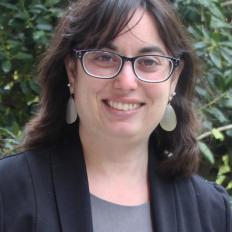
Ilana Goldberg

Brynn Hollingsworth